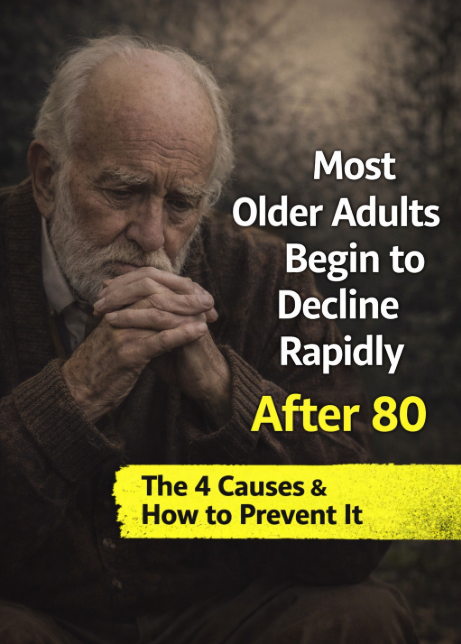
Reaching your 80s is a remarkable milestone in itself. Yet, what truly matters is not just longevity, but the quality of life that follows. Some individuals remain active, mentally sharp, and full of life well into their later years, while others begin to experience a noticeable decline much earlier.
This difference is not determined by genetics alone. In many cases, it is shaped by daily habits, lifestyle choices, and emotional well-being.
Here are four key reasons why many people lose energy and vitality after the age of 80—and how you can take simple steps to maintain a healthier, more active life.
The difference is not solely due to genetics. Often, it is everyday decisions, simple habits, and emotional factors that determine the quality and length of life in old age.
Below are the four main reasons why many older adults lose vitality after 80… and what you can do to prevent it.
1. Loss of purpose in life
One of the most decisive factors in aging is not physical, but emotional: the lack of a reason to get up each day.
People who maintain a sense of purpose, no matter how small, tend to preserve better mental and physical health. It’s not about big goals, but having something that gives meaning to the daily routine: taking care of a plant, helping someone, having a pet, or participating in an activity.
When that purpose disappears, so does motivation. Over time, this directly affects energy levels, mood, and even the immune system.
Those who feel useful or needed have more reasons to stay active and engaged with life.
2. The silent impact of social isolation
Continued on next page: